- 相關(guān)推薦
清明節(jié)英語簡單手抄報
“清明”是夏歷二十四節(jié)氣之一,中國廣大地區(qū)有在清明之日進(jìn)行祭祖、掃墓、踏青的習(xí)俗,逐漸演變?yōu)槿A人以掃墓、祭拜等形式紀(jì)念祖先的一個中國傳統(tǒng)節(jié)日。下面是小編分享的清明節(jié)英語簡單手抄報。
清明節(jié)英語簡單手抄報
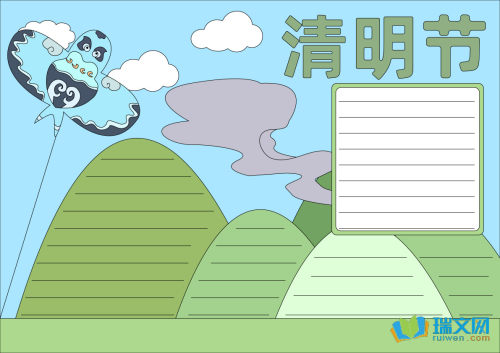
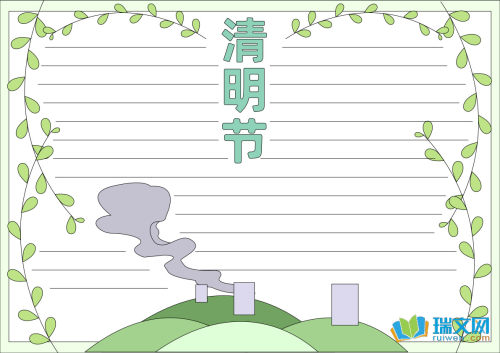

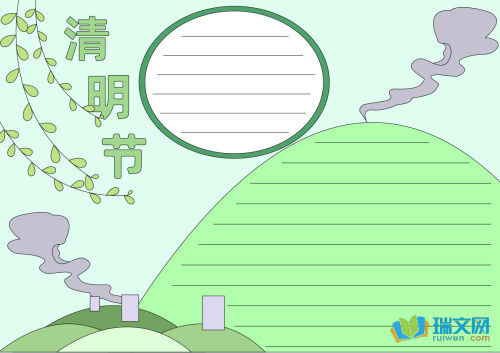

清明節(jié)英語簡單手抄報的內(nèi)容(一)
Ching Ming festival is a traditional Chinese festival, has a history of two thousand five hundred years; Its main traditional cultural activities are: grave, outing, cockfighting, swing, play mat, pull hook, tug-of-war), etc. The members (the grave), is very old. Tomb-sweeping day, as a traditional culture, it is a full of mysterious colorific festival, on this day, the pedestrians on the road are missing people who died, to express their respect and grief!
Ching Ming festival, in hainan many locals call it the "qingming festival". Middle age the qingming festival is very important, if not as a legal holiday, they will also take time to go home "qingming festival". This suggests that the qingming festival has become a culture, become a man of the late express a way of missing loved ones.
Qingming festival, is a kind of Chinese traditional culture recognition and respect. Qingming festival is very important in the ancient tradition of a festival, is also the most important festival of festivals, was the day of ancestor worship and the grave. This grave, the shrine of the dead an activity. The han nationality and some minority are mostly in the tombs. According to the old tradition, the grave, people to carry goods such as especially fruit, paper money to the grave, will be food for offering in the family tomb, then paper incineration, new soil up to the grave, fold a few branches pale green branches ed in the grave, and then salute kowtow worship, finally eat especially home. The tang dynasty poet tu mu's poem "qingming" : "rains fall heavily as qingming comes, and passers-by with lowered spirits go. Restaurant where? Boy pointed apricot blossom village." Write the tomb-sweeping day is special atmosphere. Until today, tomb-sweeping day ancestor worship, mourning the late relatives customs still prevail. And the more brought to the attention of the people.
Chinese is influenced by its culture, make clear the Chinese memorial ancestors festival. Ancestor worship in qingming festival people are back, this is a kind of culture, a kind of habit.
清明節(jié)是中國傳統(tǒng)的節(jié)日,有兩千五百年的歷史;它主要的傳統(tǒng)文化活動有:上墳、踏青、斗雞子、蕩秋千、打毯、牽鉤(拔河)等。其中上墳(即掃墓)之俗,是很古老的。清明節(jié),它作為傳統(tǒng)文化,是個布滿神秘色彩的節(jié)日,在這個日子里,路上的行人都在思念去世的人們,表達(dá)對他們的尊重與哀思!
過清明節(jié),在海南的許多本地人中稱其為“做清明”。中年人對清明節(jié)十分看重,即使不是作為法定假日,他們也會抽空回老家“做清明”。這說明清明節(jié)已經(jīng)成為了一種文化,成為了一種后人對已故之親人表達(dá)思念的一種方式。
清明,是中國傳統(tǒng)文化的一種認(rèn)可及尊重。清明是古人傳統(tǒng)習(xí)俗中十分重要的一個節(jié)日,也是最重要的祭奠節(jié)日,是祭祖和掃墓的日子。掃墓俗稱上墳,祭奠死者的一種活動。漢族和一些少數(shù)民族大多都是在清明節(jié)掃墓。按照舊的習(xí)俗,掃墓時,人們要攜帶酒食果品、紙錢等物品到墓地,將食物供祭在親人墓前,再將紙錢焚化,為墳?zāi)古嗌闲峦粒蹘字δ劬G的新枝插在墳上,然后叩頭行禮祭拜,最后吃掉酒食回家。唐代詩人杜牧的詩《清明》:“清明時節(jié)雨紛紛,路上行人欲斷魂。借問酒家何處有?牧童遙指杏花村。”寫出了清明節(jié)的非凡氣氛。直到今天,清明節(jié)祭拜祖先,悼念已逝的親人的習(xí)俗仍很盛行。而且越加受到人們的重視。
中國人受自身文化的影響,使清明成為了國人追思先祖的節(jié)日。在清明人們紛紛回鄉(xiāng)祭拜祖先,這已是一種文化,一種習(xí)慣。
清明節(jié)英語簡單手抄報的內(nèi)容(二)
Today is April 5, ching Ming festival.
My father and I went back to the countryside hometown for ancestor's grave. We came to the ancestral grave, dad with his shovel the tombs to repair, and then put the tribute to the grave, took me to the ancestors on three head, got up and down a bowl of wine, spilled a circle around the tombs. In the grave, we walk in the mountains You'll also be able to contribute, on a mountain high, there are lush trees, there are green grass, there are clear lakes, beautiful!
On the way home, winter jasmine, plum and cherry blossoms are scrambling to in full bloom, fragrance of flowers floating around, a lot of visitors to take photos in front of the flower, laughing faces as beautiful as flowers, how happy ah! Dad told me: tomb-sweeping day is our memory of martyrs, ancestor worship festival, festival is blooming, play for an outing. He told me the martyrs brave fight, fear no sacrifice revolutionary story. I listened to the very touched, it is our predecessors bloody sweat, hard working, just have our good life today, so we should cherish the happy life today, study hard, healthy growth, grow up contribution strength, serve the country!
今天是四月五日,清明節(jié)。
我和爸爸回到了鄉(xiāng)下老家給祖先上墳。我們來到了祖先的墳前,爸爸用鐵锨把墳塋修繕了一番,然后把帶來的貢品放到墳前,帶著我給祖先磕了三個頭,起身倒了一碗酒,圍繞墳塋灑了一圈。上完墳,我們就在山里踏青游玩,高高的山上,有茂盛的樹林,有綠綠的青草,還有清澈的湖水,漂亮極了!
回家的路上,迎春花、梨花、櫻花爭相盛開,花香四處飄蕩,好多游人在花前拍照留影,一張張笑臉和鮮花一樣漂亮,多么幸福呀!爸爸告訴我:清明節(jié)是我們緬懷先烈、祭拜祖先的節(jié)日,也是春暖花開、游玩踏青的節(jié)日。他還給我講了先烈們英勇戰(zhàn)斗、不怕犧牲的革命故事。我聽了很感動,正是先輩們流血流汗、艱辛創(chuàng)業(yè),才有我們今天的美好生活,所以我們要好好珍惜今天的幸福生活,努力學(xué)習(xí)、健康成長,長大了貢獻(xiàn)力量、報效國家!
清明節(jié)的由來與習(xí)俗
年年清明年年過,掃墓踏青祭祖宗。雖然人們年年過清明,但是對于清明節(jié)的由來和傳說,知道的人卻并不多。
相傳春秋戰(zhàn)國時代,晉獻(xiàn)公的妃子驪姬為了讓自己的兒子奚齊繼位,就設(shè)毒計逼殺太子申生。申生自殺后,他的弟弟重耳,為了躲避禍害,被逼流亡出走。在流亡期間,重耳受盡了屈辱。原來跟著他一道出奔的臣子,大多陸陸續(xù)續(xù)各奔前程去了。只剩下五個忠心耿耿的臣子,一直追隨著他。其中一人叫介子推,有一次在逃亡途中,重耳餓暈了過去,介子推就從自己的腿上割下一塊肉,用火烤熟后送給重耳吃。重耳吃后漸漸恢復(fù)了精神。當(dāng)重耳發(fā)現(xiàn)肉是介子推從自己腿上割下來的時候,感激地流下了眼淚。
十九年后,重耳回國做了君主,就是著名的春秋五霸之一的晉文公。晉文公執(zhí)政后,對那些和他同甘共苦的臣子大加封賞,唯獨忘了介子推。《史記》中記載,這時,當(dāng)初一道逃亡的其他幾人非常同情介子推的遭遇,為他叫屈,在宮門上寫道:“龍欲上天,五蛇為輔。龍已升云,四蛇各入其宇,一蛇獨怨,終不見處所。”晉文公看到后,猛然憶起舊事,心中有愧,馬上差人去請介子推上朝接受封賞。可是,差人去了幾趟,介子推都不來。晉文公只好親自去請。當(dāng)晉文公來到介子推家時,只見大門緊閉。介子推不愿接受封賞,已經(jīng)背著老母躲進(jìn)了綿山。
晉文公便讓他的御林軍上綿山搜索。這樣大一座山,林深草茂的,要找兩個人談何容易,結(jié)果沒有找到。于是,有人出了個主意:介子推是個孝子,放火燒山,三面點火,留下一方,這樣,大火起時,介子推就會背著他的老母親走出來了。于是,晉文公下令放火燒山。誰料想,大火燒遍綿山終究還是沒有逼出介子推。
大火熄滅后,晉文公上山一看,介子推母子倆背靠著一棵燒焦的大柳樹已經(jīng)死了。望著介子推的尸體,晉文公哭拜了一陣后,在安葬他們的遺體時,發(fā)現(xiàn)介子推用脊梁堵著的那個柳樹洞里好像有什么東西。掏出一看,原來是片衣襟,上面題了一首血詩:
“割肉奉君盡丹心,但愿主公常清明。
柳下作鬼終不見,強(qiáng)似伴君作諫臣。
倘若主公心有我,憶我之時常自省。
臣在九泉心無愧,勤政清明復(fù)清明。”
晉文公將血書藏入袖中,然后把介子推和他的母親分別安葬在了那棵燒焦的大柳樹下。為了紀(jì)念介子推和記住自己的'過錯,晉文公下令把綿山改為“介山”,在山上建立祠堂,并把放火燒山的這一天定為寒食節(jié),曉諭全國,每年這天禁忌煙火,只吃寒食。
第二年,晉文公領(lǐng)著群臣,素服徒步登山祭奠,表示哀悼。行至墳前,只見那棵老柳樹死而復(fù)活,綠枝隨風(fēng)飄舞。晉文公望著復(fù)活的老柳樹,像看見了介子推一樣。他敬重地走到跟前折了一根柳枝,編了一個圈兒戴在頭上。這就是清明節(jié)人們戴柳帽的來由。祭掃一番后,晉文公把復(fù)活的老柳樹賜名為“清明柳”,又把這天定為清明節(jié)。
此后,寒食、清明成了全國百姓的隆重節(jié)日,屆時,人們即不生火做飯,只吃冷食。并折柳條編成圈兒戴在頭上,把柳枝插在房前屋后,以表示懷念。寒食節(jié)原本是在清明的頭一天,后來逐漸合而為一,成了現(xiàn)在的清明節(jié)。
清明節(jié)也是我國的二十四節(jié)氣之一。由于二十四節(jié)氣比較客觀地反映了一年四季氣溫、降雨、物候等方面的變化,不僅古代勞動人民,就是現(xiàn)在,不少地區(qū)的鄉(xiāng)親們?nèi)杂盟鼇戆才呸r(nóng)事活動。清明一到,氣溫升高,雨量增多,正是春耕春種的大好時節(jié)。故有“清明前后,點瓜種豆”、“植樹造林,莫過清明”的農(nóng)諺。
但是,清明作為節(jié)日,與純粹的節(jié)氣又有所不同。節(jié)氣是我國物候變化、時令順序的標(biāo)志,而節(jié)日則包含著一定的風(fēng)俗活動和某種紀(jì)念意義。清明節(jié)是我國的傳統(tǒng)節(jié)日,除了包涵物候變化、時令順序外,還包括祭祖、掃墓、踏青等活動。
清明節(jié),又叫踏青節(jié),按陽歷來說,它是在每年的4月4日至6日之間,正是春光明媚草木吐綠的時節(jié),也是人們春游(古代叫踏青)的好時候,所以古人有清明踏青,并開展一系列體育活動的習(xí)俗,是一個非常熱鬧而又別有韻味的節(jié)日。
唐代著名詩人杜牧的《清明》這首詩:“清明時節(jié)雨紛紛,路上行人欲斷魂。借問酒家何處有?牧童遙指杏花村。”即描寫出了清明節(jié)熱鬧的獨特氣氛。現(xiàn)在,掃墓、祭祀、踏青成了清明節(jié)最重要的三大主題。
Every year, tomb sweeping and outing are held every year. Although people celebrate Qingming Festival every year, few people know the origin and legend of Qingming Festival.
It is said that in the spring and Autumn period and the Warring States period, Li Ji, the concubine of Duke Xian of Jin, set up a poisonous plan to force the prince Shen Sheng to kill in order to let her son Xi Qi succeed to the throne. After Shensheng committed suicide, his brother Chong'er was forced to flee from exile in order to avoid disasters. During his exile, Chong Er suffered humiliation. It turned out that most of the ministers who ran with him went their own way. There were only five loyal ministers who followed him all the time. One of them is Jie Zitui. Once, on the way to escape, Chong Er fainted from hunger. Jie Zitui cut a piece of meat from his leg, roasted it with fire and gave it to Chong Er to eat. Chonger gradually recovered after eating. When Chong Er found that the meat was cut from his leg by meson push, he shed tears of gratitude.
Nineteen years later, Chong'er returned home and became a monarch, the Duke of Wen of Jin, one of the famous five bullies in the spring and Autumn period. After Duke Wen of Jin came to power, he rewarded those ministers who shared weal and woe with him, but forgot Jie Zitui. According to the records of the historian, at this time, several other people who fled together at the beginning of the day sympathized with Jie Zitui's experience and cried for his grievances. They wrote on the gate of the palace: "the Dragon wants to go to heaven, supplemented by five snakes. The dragon has risen to the cloud, the four snakes each enter their universe, and one snake complains alone, and finally disappears." When Duke Wen of Jin saw it, he suddenly remembered the old story and felt guilty. He immediately sent someone to ask Jie Zitui to go up to the court to accept the reward. However, after several trips, Jie Zitui didn't come. Duke Wen of Jin had to invite him in person. When Duke Wen of Jin came to Jie Zitui's house, he saw the door closed. Jie Zitui didn't want to accept the reward, so he hid in Mianshan behind his mother's back.
Duke Wen of Jin asked his imperial army to search Mianshan. Such a big mountain, with deep forests and lush grass, it was not easy to find two people, but we didn't find them. So someone came up with an idea: Jie Zitui was a filial son. He set fire to the mountain on three sides and left one side. In this way, when the fire broke out, Jie Zitui would come out behind his old mother. Therefore, Duke Wen of Jin ordered to set fire to the mountain. Who would have expected that the fire burned all over Mianshan and did not force Jie Zitui after all.
After the fire was extinguished, Duke Wen of Jin went up the mountain and saw that Jie Zitui's mother and son were dead with their backs against a charred willow. Looking at Jie Zitui's body, Duke Wen of Jin cried and worshipped for a while. When burying their bodies, he found that there seemed to be something in the willow hole blocked by Jie Zitui's spine. When I took it out, it turned out to be a skirt with a blood poem on it:
"I'm willing to give you my heart. I hope the Lord will always be clear and bright.
It's better for Liu Xia to be a ghost and disappear than to be an admonitory minister with the king.
If the Lord has me, remember me and always reflect on myself.
I have a clear conscience in Jiuquan, and I am diligent and clear-minded. "
Duke Wen of Jin hid the blood book in his sleeve, and then buried Jie Zitui and his mother under the charred willow tree. In order to commemorate Jie Zitui and remember his mistakes, Duke Wen of Jin ordered to change Mianshan into "Jieshan", establish ancestral halls on the mountain, and set the day of setting fire to the mountain as the cold food festival. He told the whole country that fireworks are forbidden and only cold food is eaten on this day every year.
The next year, Duke Wen of Jin led his officials to climb the mountain in plain clothes to express his condolences. Walking to the grave, I saw the old willow dead and resurrected, and the green branches fluttering in the wind. Duke Wen of Jin looked at the resurrected old willow as if he had seen Jie Zitui. He respectfully walked up to him, folded a willow branch, made a circle and put it on his head. This is why people wear willow hats on Qingming Festival. After a sweep, Duke Wen of Jin named the resurrected old willow "Qingming willow" and designated this day as Qingming Festival.
Since then, people will only cook cold food during the national festival. And fold the wicker into a circle and wear it on your head. Insert the wicker in front of and behind the house to show your memory. The cold food festival was originally on the first day of Qingming Festival. Later, it gradually merged into one and became the current Qingming Festival.
Qingming Festival is also one of the 24 solar terms in China. Because the 24 solar terms objectively reflect the changes in temperature, rainfall and phenology throughout the year, it is still used by villagers in many areas to arrange agricultural activities, not only the ancient working people, but also now. As soon as the Tomb Sweeping Day comes, the temperature rises and the rainfall increases, which is a good time for spring farming and spring planting. Therefore, there are agricultural proverbs such as "before and after the Qingming Festival, point melons and seed beans", "afforestation is better than the Qingming Festival".
However, as a festival, Qingming Festival is different from pure solar terms. Solar terms are the symbol of phenological changes and seasonal order in China, while festivals contain certain customs and activities and some commemorative significance. Qingming Festival is a traditional festival in China. In addition to phenological changes and seasonal order, it also includes ancestor worship, tomb sweeping, outing and other activities.
Qingming Festival, also known as outing Festival, according to the Gregorian calendar, it is between April 4 and 6 every year. It is the season of beautiful spring and green vegetation. It is also a good time for people's spring outing (called outing in ancient times). Therefore, the ancients had the custom of Qingming outing and carrying out a series of sports activities. It is a very lively and unique festival.
Du Mu, a famous poet of the Tang Dynasty, wrote a poem in Qingming: "it rains in succession during the Qingming Festival, and pedestrians on the road want to break their souls. Excuse me, where is the restaurant? The shepherd boy points to Xinghua village in the distance." That is, it depicts the lively and unique atmosphere of the Qingming Festival. Now, tomb sweeping, sacrifice and outing have become the three most important themes of Qingming Festival.
【清明節(jié)英語簡單手抄報】相關(guān)文章:
清明節(jié)手抄報簡單素材04-08
清明節(jié)手抄報簡單素材09-04
簡單的清明節(jié)手抄報資料04-03
清明節(jié)簡單手抄報素材04-08
英語手抄報簡單又好看圖片08-07
英語手抄報圖片大全簡單漂亮08-13
清明節(jié)手抄報03-27
簡單易懂的春節(jié)英語手抄報01-30
清明節(jié)手抄報初中07-31